
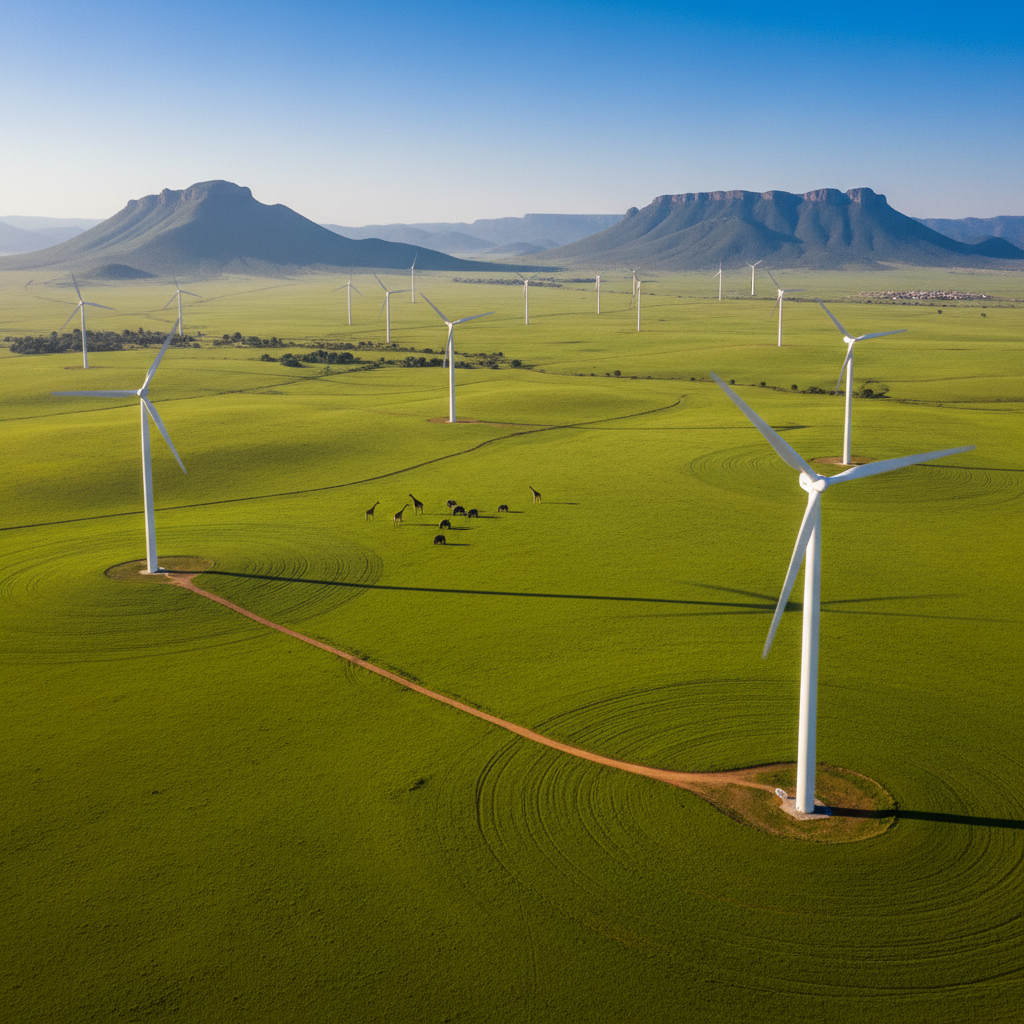
A Structured Approach to Africa's Green Transition
AGTPF deploys patient, blended capital across Africa's green energy infrastructure: solar PV, wind, hydro, battery storage, and transmission infrastructure. Our phased investment model is designed to deliver downside-protected returns while accelerating the continent's just energy transition.
AGTPF is neither a European fund for Africa nor an African fund with European participation. It is intentionally designed as a partnership of equals: African market and institutional expertise combined with European asset management, structuring and financing capabilities. This combination creates the foundation for sustainable infrastructure investments with long-term impact.
Capital Deployment Model
AGTPF deploys capital through a structured, phased approach designed to balance risk, return, and sustainability across the fund's 12-year term.
Flexible Build-Up Phase
During the first three (3) years, the Fund maintains flexibility to deploy capital into priority infrastructure projects without strict diversification limits. This enables efficient execution of large-scale energy investments with strong sustainability characteristics.
Value Creation & Scaling Phase
- Portfolio expansion and optimisation across platforms
- Refinancing and capital structuring to enhance returns
- Integration of operational efficiencies and asset performance improvements
Harvest Period
During this phase, the portfolio transitions into stable, income-generating assets:
- 70 to 90% of the portfolio expected to be fully operational
- Generation of predictable, contracted cash flows (e.g., PPAs, offtake agreements)
- Focus on yield distribution and value realisation
- Selective exits, refinancing, or long-term hold strategies
Target Returns
The Fund targets a gross IRR of 12 to 17%, depending on:
- Technology (solar, hydro, transmission, storage)
- Project stage (greenfield vs. operational)
- Country and regulatory environment
Deployment Strategy
- 70 to 85% of capital deployed
- Across 10 to 15 platform investments
- Typical investment size: EUR 40m to 150m+ per platform
Geographic Allocation
- Maximum 60% exposure per country
Sector Balance
- Hydropower capped at 40%
Risk & Capital Management
- Currency and interest rate risks may be hedged
- Liquidity maintained through short-term instruments
- Project and fund-level borrowing used to improve returns
Regulatory Alignment
The Fund operates in accordance with Luxembourg RAIF standards, ensuring:
- Governance to Luxembourg RAIF standards
- Institutional-grade risk spreading
- Strong investor protection
Investment Filters Framework
Every project in the AGTPF pipeline is evaluated against a rigorous multi-dimensional filter framework before entering the active investment process.
Country & Regulatory Risk
Assessment of political stability, regulatory framework maturity, rule of law, and sovereign creditworthiness. Priority given to countries with established IPP frameworks and DFI presence.
Technology Readiness
Projects must use proven, bankable technologies with established supply chains. Technology-agnostic approach across solar PV, wind, hydro, BESS, and transmission infrastructure.
Offtake & Revenue Visibility
Preference for projects with long-term PPAs, sovereign-backed offtake agreements, or established grid connection frameworks providing revenue certainty over the fund's investment horizon.
Sustainability & Alignment
All investments must comply with the IFC Performance Standards and show measurable climate and development results, including CO₂ avoidance, energy access, and job creation metrics.
Return Profile
Target gross IRR of 12 to 17% depending on technology and risk profile. Projects must demonstrate a credible path to financial close and bankable financial model with appropriate risk-adjusted returns.
Local Partnership
Strong preference for projects with established local sponsors, community engagement frameworks, and local content commitments. AGTPF actively supports local capacity building.
Discuss the Strategy With Our Team
We are happy to walk through the deployment model, the return targets, and the filters we apply before a project enters the pipeline. Before you do, read our own account of what could go wrong.