
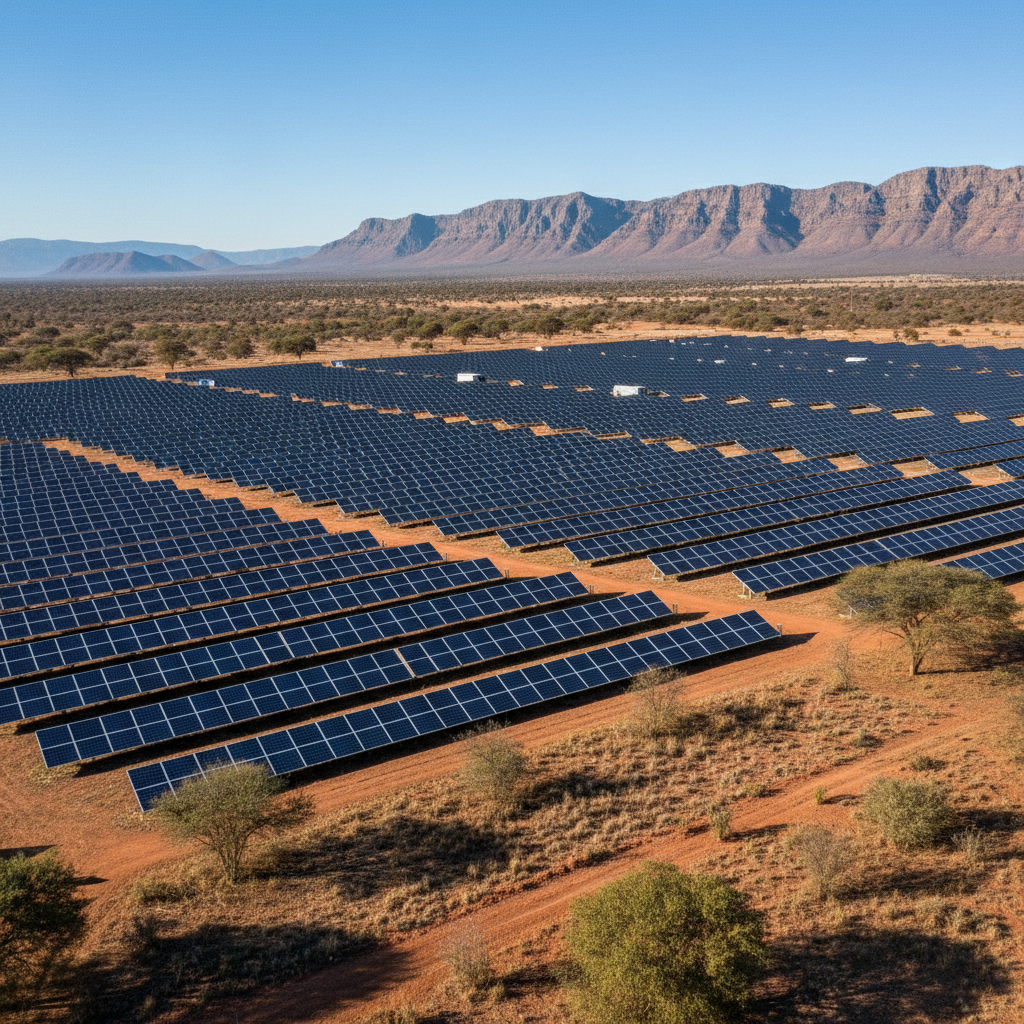
Financing Africa's Green Transition
The Africa Green Transition PPP Fund mobilises public and private capital into clean energy and climate-resilient infrastructure across Africa. It is a Luxembourg-domiciled public-private partnership fund, recognised by the African Union in the declaration of the 5th Specialized Technical Committee on Transport and Energy, and aligned with AU Agenda 2063, AfSEM and PIDA.
Our work is to close the gap between project preparation and capital deployment, so that sovereign-aligned projects reach financial close.
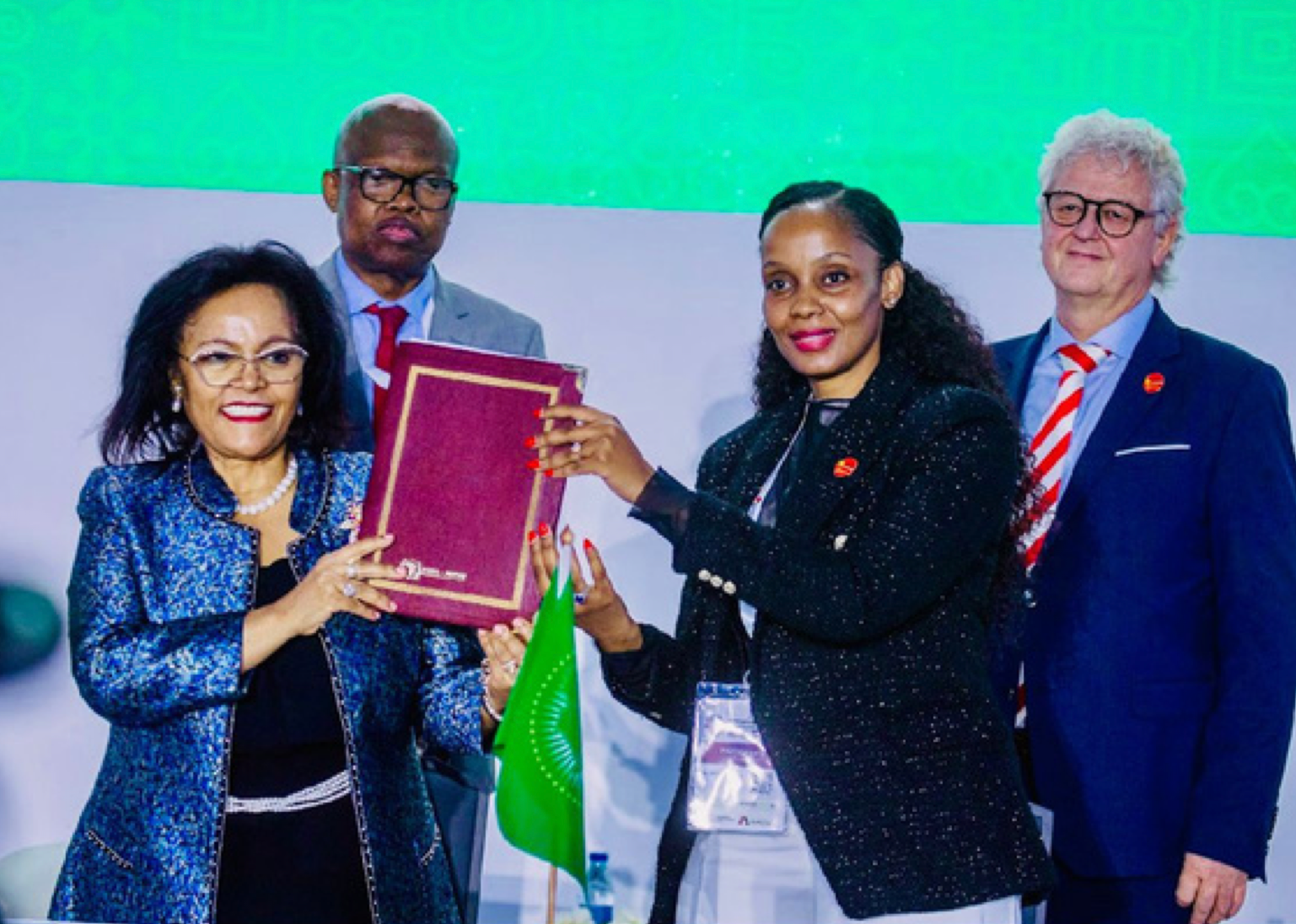
At the Luanda Finance Summit, where AGTPF signed its MOU with AUDA-NEPAD, Chief Executive HE Nardos Bekele-Thomas set out what makes African infrastructure investable.
"When Africa is clear, capital moves. When Africa is structured, partners come. When Africa owns delivery, projects advance."
HE Nardos Bekele-Thomas, Chief Executive, AUDA-NEPAD
Bridging Africa's Climate Finance Gap While Earning Attractive Returns
Africa has the land, the untapped renewable resource and a growing skilled workforce to deliver climate solutions at scale, yet it receives less than 5% of global climate finance.
Africa combines structural power undersupply, fast demand growth, very low per-capita electricity consumption, and rising policy/multilateral support for private capital. That creates a setting where well-structured greenfield projects can earn attractive risk-adjusted returns because they are not just substituting old assets; in many markets they are adding first-time or badly needed capacity into undersupplied systems. The strongest case is usually for projects with visible offtake, hard-currency protection where possible, and technologies that match local system needs such as solar, wind, storage, gas-to-power in selected markets, mini-grids, and C&I distributed energy.
Africa's Renewable Growth Trajectory
Indexed capacity growth (2015 → 2030 projection)
Source: IRENA · AEO 2024
Solar Potential
The continent could generate over 10 TW, far surpassing its projected demand.
Wind Capacity
Approximately 350 gigawatts of untapped wind capacity across the continent, alongside significant hydro and geothermal reserves
Annual Financing Gap
Africa faces an annual climate financing gap exceeding USD 100 billion to meet its 2030 transition goals
GDP Growth Forecast
Sub-Saharan Africa is forecast to grow at over 4% in 2025 to 2026, outpacing most global regions and driven by expanding consumer markets and infrastructure investment.
Where the Opportunity Is Strongest
The investment case for Africa is most compelling when projects are carefully selected and structured, combining strong fundamentals with effective risk mitigation. At AGTPF, we focus on opportunities where key conditions align:
Core Investment Criteria
Clear Supply and Demand Imbalance: Structural energy deficits with immediate and sustained demand for new capacity.
Reform Momentum: Supportive regulatory environments and ongoing sector reforms.
Credible Offtake Structures: Bankable revenue models through utilities, commercial & industrial clients, or concession frameworks.
Currency & Risk Mitigation Mechanisms: Access to hard-currency revenues, hedging structures, or tariff protections.
Multilateral & Institutional Participation: Engagement from DFIs and development partners to enhance bankability and reduce risk.
Load-Appropriate Infrastructure Design: Solutions tailored to actual consumption patterns and system requirements.
Priority Investment Segments
In practice, these conditions translate into a focus on:
Solar + Battery Storage: Scalable, cost-effective solutions aligned with Africa's strong solar resource and growing demand for reliable power.
Commercial & Industrial (C&I) Power: Direct energy solutions for mining, manufacturing, telecom, and logistics sectors, where reliability and cost efficiency are critical.
Mini-Grids & Distributed Energy: Decentralized systems enabling electrification in underserved and rural areas, supporting both access and economic activity.
Utility-Scale IPPs in Reforming Markets: Selective investments in markets demonstrating regulatory progress and improving utility frameworks.
Enabling Infrastructure: Projects that support broader economic ecosystems, including Mining and industrial corridors, Ports and logistics hubs, Telecom infrastructure, and Urban and peri-urban load centers.
AGTPF Approach
Rather than viewing Africa as a single market, AGTPF applies a targeted, criteria-driven investment strategy, focusing on locations and sectors where risk-adjusted returns are strongest and most scalable.
What is Africa Green Transition PPP Fund?
The Africa Green Transition PPP Fund invests in Africa's renewable energy infrastructure, aligning its objectives with the African Union's Agenda 2063 and global climate commitments while targeting attractive risk-adjusted returns for investors. The Fund mobilises private and public sector capital into clean energy, supports regional power pools and backs projects that strengthen economic resilience across the continent. Capital is deployed on commercial terms, with downside protection built into how each investment is structured.
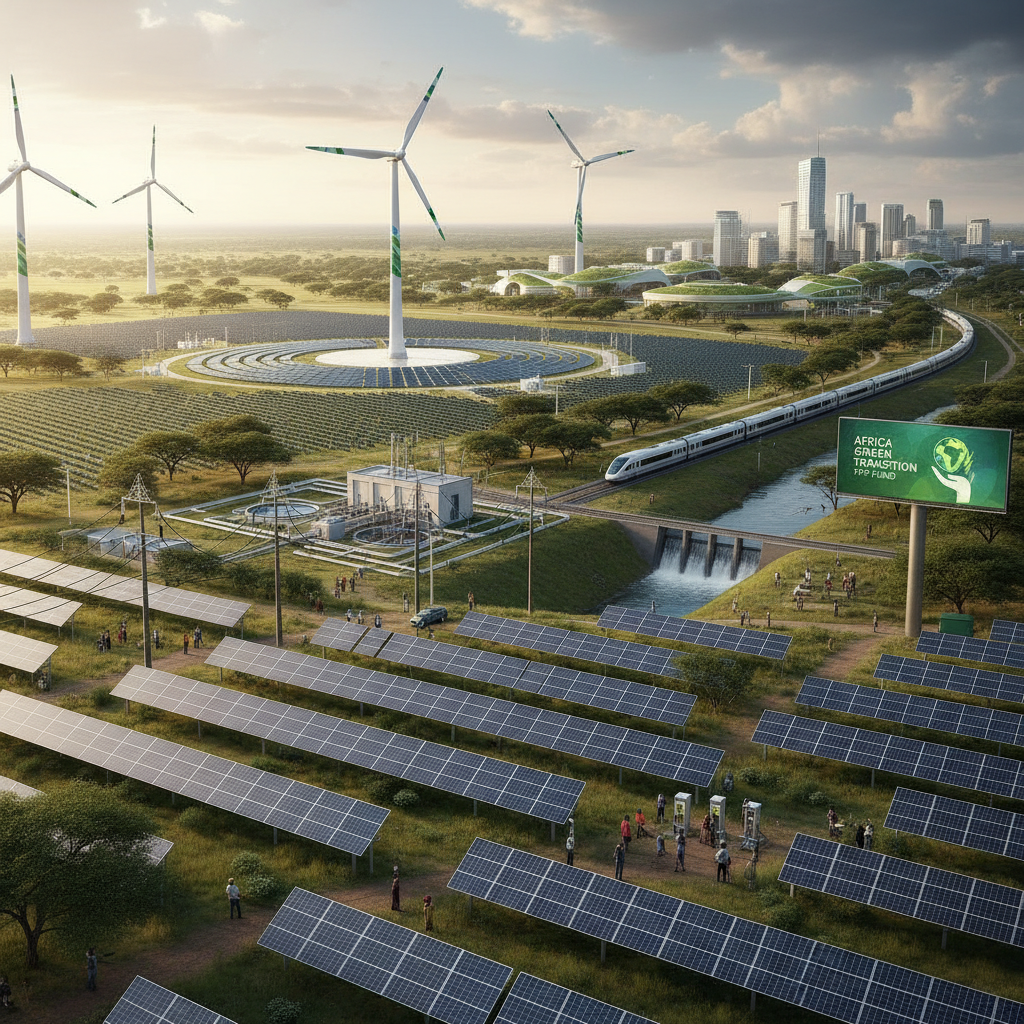
Strategic Investment Areas
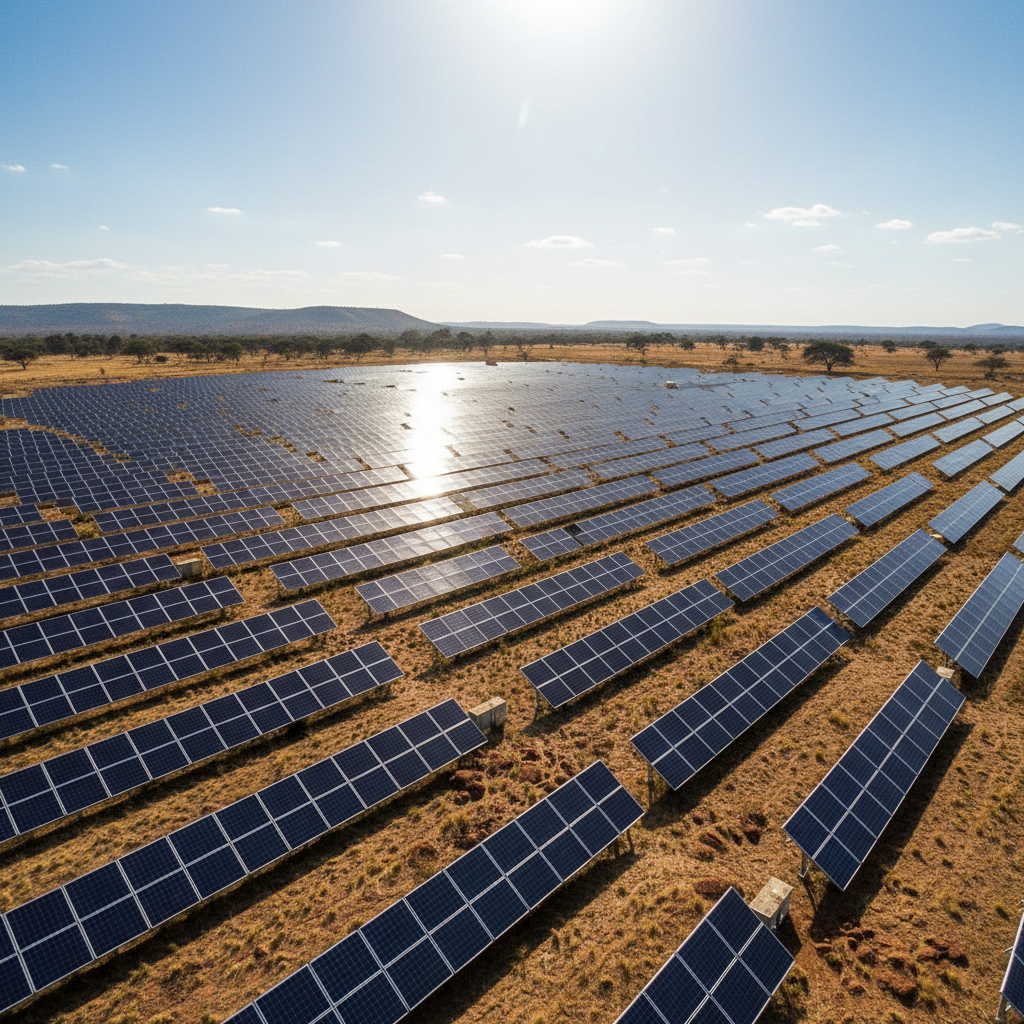
Utility-Scale Renewable Energy
Projects typically above 50MW, including solar PV, hydro, wind, and hybrid systems with battery storage across Sub-Saharan Africa.
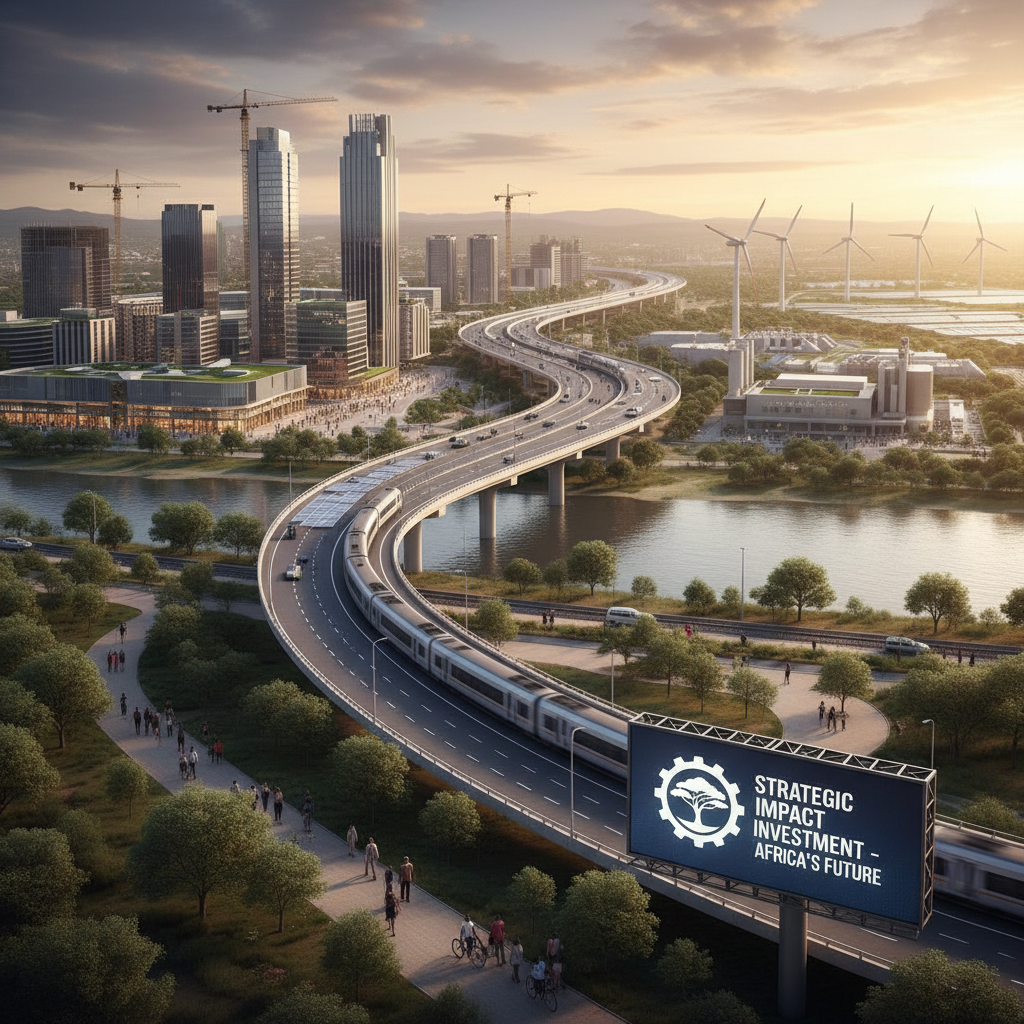
Strategic Infrastructure & Sustainability
Climate-resilient infrastructure, industrial energy solutions, and blended-finance sustainability windows targeting measurable development outcomes.
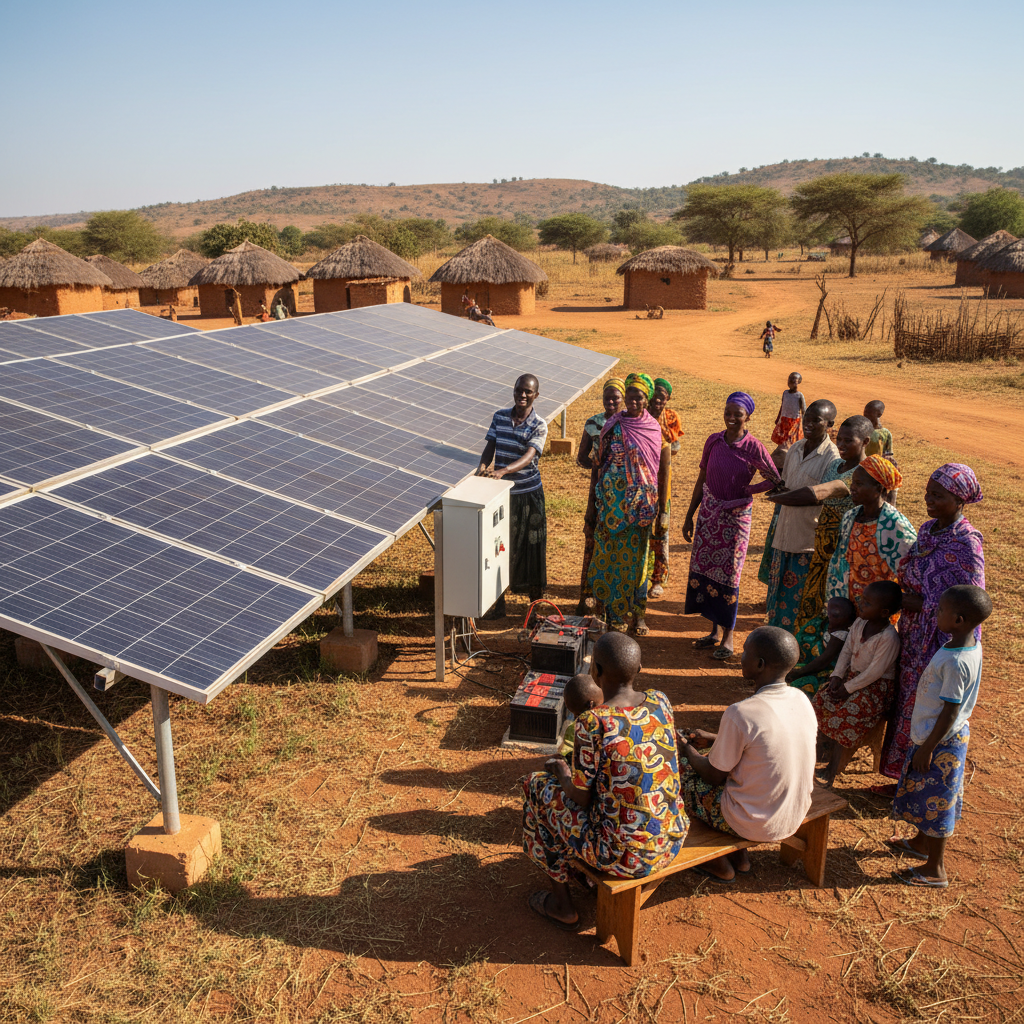
Energy Access & Mini-Grid
Decentralized energy systems, mini-grids, productive-use energy, and last-mile electrification solutions for underserved communities across Africa.
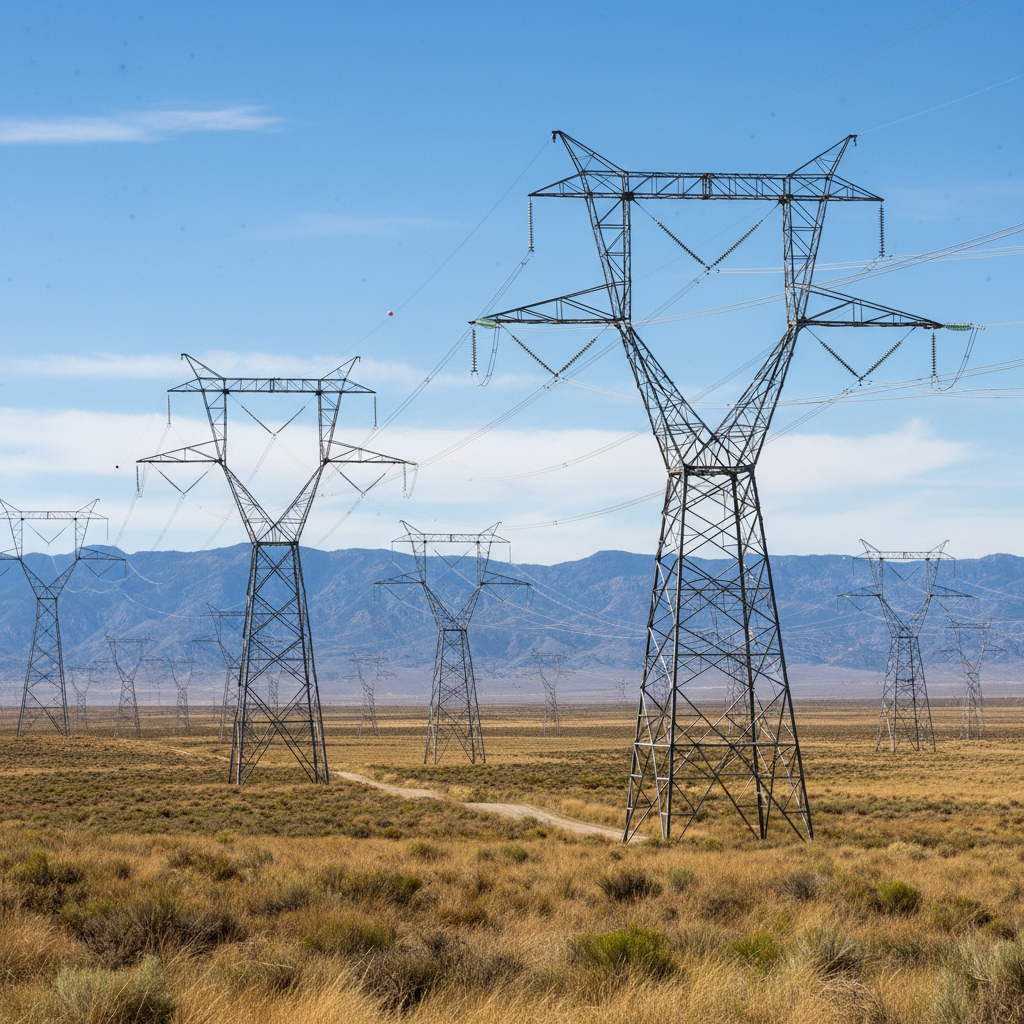
Grid & Transmission Infrastructure
Regional interconnectors, substations, and cross-border energy trading platforms supporting Africa's power pools under AfSEM.
Anchor and Strategic Partners

CATA Energy
Consortium of multiple EPCs and an asset manager. Spearheads the fund's initiative, focusing on renewable energy project development and sustainability.

AUDA-NEPAD
As a key African Union agency, AUDA-NEPAD ensures the fund aligns with continental goals such as Agenda 2063, focusing on energy integration and sustainable development.

enso GmbH
Austria-based firm specializing in transaction advisory and asset management services in the renewable energy sector, particularly hydropower.

WECEN
The Water, Energy and Climate Experts Network, a specialist advisory network with over 25 years of global experience in the water, energy, food and climate nexus.

Prime Business Capital
With a proven record in structuring public-private partnerships and mobilizing global capital for frontier markets, PB Capital provides the financial backbone for visionary projects.

Africa Social Security Association
Pan-African body uniting social security institutions across the continent, championing the mobilisation of long-term domestic capital for infrastructure development.
Talk to Us About the Fund
Institutional investors, development finance institutions, governments and project developers can contact the team directly to request the pre-marketing materials.